Dental Implants Penrith
Replace Missing Teeth with Dental Implants
Missing one tooth, several teeth or all of your teeth can affect the way you eat, speak and smile. Dental implants provide a fixed option for replacing missing teeth and may be used to support a single crown, an implant bridge or a full arch of replacement teeth.
At Best Western Dental Centre in Penrith, Dr Nathan Le provides implant treatment ranging from straightforward single-tooth replacement to more complex cases involving multiple implants, full-arch rehabilitation, bone grafting and sinus lift procedures.
We use 3D CBCT imaging, digital planning and guided implant surgery where appropriate to carefully assess and plan your treatment.
Every implant case is different. Your treatment is planned individually according to your teeth, gums, jawbone, bite, general health and long-term needs.
What Is a Dental Implant?
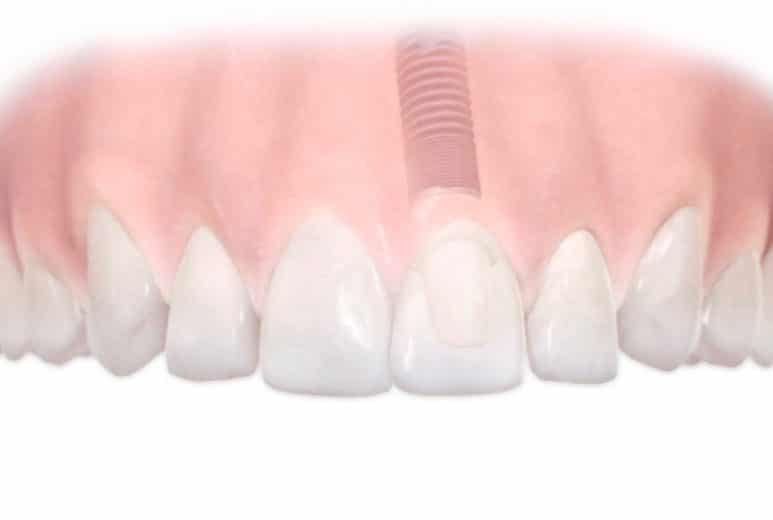
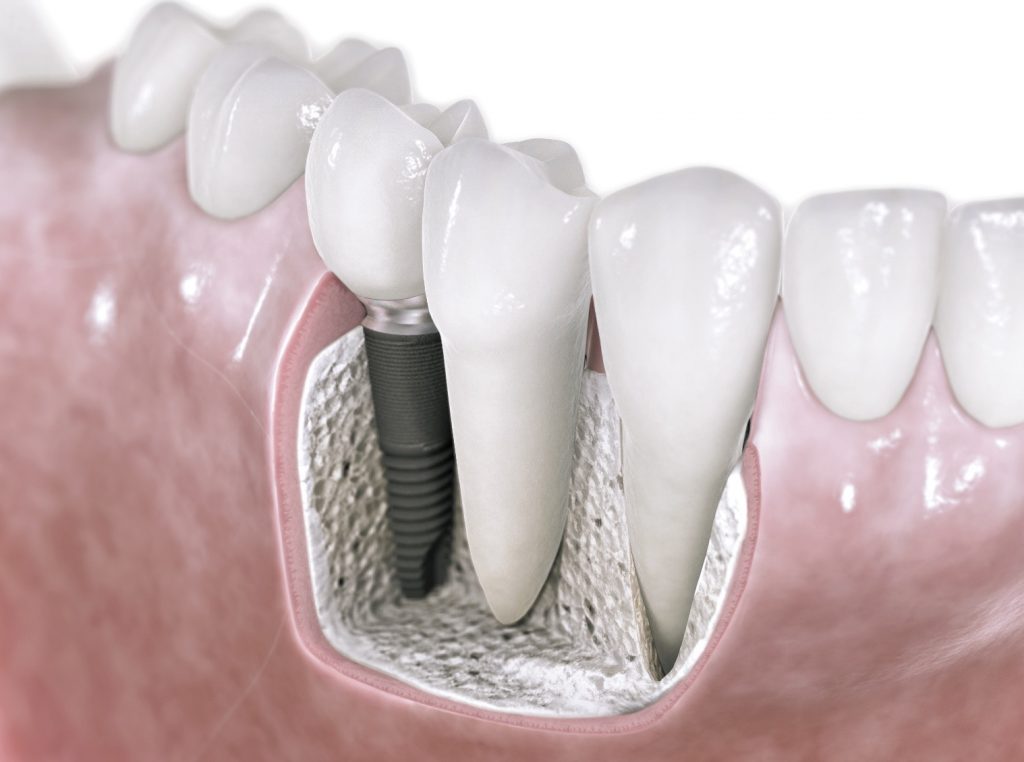
A dental implant is a small titanium fixture placed into the jawbone to replace the root of a missing tooth.
After the implant has integrated with the surrounding bone, it can support a dental restoration such as:
a single implant crown to replace one missing tooth
an implant-supported bridge to replace several missing teeth
an implant-supported denture
a fixed full-arch bridge, including All-on-4-type treatment where appropriate
Unlike a conventional bridge, replacing a single missing tooth with an implant generally does not require the neighbouring teeth to be prepared to support the replacement tooth.
Who May Be Suitable for Dental Implants?
Many adults with missing or failing teeth may be suitable for dental implant treatment.
Before recommending an implant, we assess factors including:
the health of your remaining teeth and gums
the amount and quality of available jawbone
your bite and the position of neighbouring teeth
oral hygiene
smoking
relevant medical conditions and medications
previous dental treatment
your ability to maintain the implant and surrounding tissues over the long term
Having lost bone does not necessarily mean that implants are impossible. Depending on the individual case, bone grafting, ridge augmentation or a sinus lift may sometimes be used to create or improve the foundation for implant placement.
A detailed examination and appropriate imaging are required before we can determine whether implants are suitable for you.
Dental Implant Options
Single Tooth Dental Implant
If you have lost one tooth, an implant and implant crown can often replace it without relying on the adjacent teeth for support.
The implant is positioned in the jawbone and, after appropriate healing, restored with a custom-made crown designed to fit your bite and surrounding teeth.
Learn more about Single Tooth Dental Implants
Replacing Several Missing Teeth
You do not necessarily need one implant for every missing tooth.
In suitable situations, two or more implants can support an implant bridge, replacing several missing teeth while reducing the number of individual implants required.
The number and position of implants will depend on your bone, bite, the number of teeth being replaced and the forces expected in that part of the mouth.
Learn more about Replacing Multiple Missing Teeth
Full-Arch Dental Implants and All-on-4
For patients who have lost, or are likely to lose, most or all of the teeth in one jaw, implants can be used to support a fixed full-arch bridge.
All-on-4 is one approach in which a full arch of replacement teeth is supported by four strategically positioned implants. Depending on the individual case, a different number of implants may be recommended.
In suitable cases, a provisional fixed bridge may be fitted soon after implant placement. This depends on factors including bone quality, implant stability, your bite and the surgical findings on the day.
Not everyone is suitable for immediate loading, and the final treatment design is determined after clinical examination and 3D assessment.
Learn more about Full-Arch Dental Implants and All-on-4
Implant-Supported Dentures
Dental implants can also be used to improve the stability and retention of removable dentures.
For some patients, an implant-supported overdenture can provide greater stability during eating and speaking while remaining removable for cleaning.
This can be particularly useful for patients who have difficulty managing a loose lower denture.
Learn more about Dental Implants for Denture Wearers
3D Planning and Guided Dental Implant Surgery
Accurate planning is an important part of implant dentistry.
At Best Western Dental Centre, we use CBCT 3D imaging to assess the jawbone and important anatomical structures before implant surgery when clinically indicated.
Digital planning allows us to evaluate factors such as:
available bone height and width
the proposed position and angle of the implant
neighbouring teeth and roots
the position of nerves and other anatomical structures
the maxillary sinus in upper-jaw cases
the relationship between the implant and the planned replacement tooth
For suitable cases, a custom surgical guide can then be produced to help transfer the digitally planned implant position to the mouth during surgery.
Guided surgery is not necessary or appropriate for every implant case. Dr Le will recommend the approach that best suits the individual situation.
Learn more about 3D Guided Implant Surgery
What If I Don’t Have Enough Bone?
Jawbone can shrink after a tooth has been removed, particularly when the tooth has been missing for a long period.
Periodontal disease, infection and previous trauma can also contribute to bone loss.
If there is insufficient bone for an implant in the desired position, additional procedures may be considered, including:
Bone Grafting
Bone grafting may be used to rebuild or increase the volume of bone around a planned or existing implant site.
Depending on the amount of bone required, grafting may be performed at the same time as implant placement or as a separate procedure before the implant is placed.
Sinus Lift
The maxillary sinus lies above the upper back teeth. In some patients, there may be insufficient vertical bone beneath the sinus for implant placement.
An internal or external sinus lift, depending on the clinical situation, may be considered to increase the available bone for implants in this area.
Learn more about Bone Grafting and Sinus Lift Procedures
What Happens During Dental Implant Treatment?
Although every case is different, implant treatment generally involves several stages.
1. Consultation and Assessment
We discuss what you would like to achieve and examine your teeth, gums, bite and the area where teeth are missing.
2. 3D Imaging and Treatment Planning
CBCT imaging and digital records may be used to assess the available bone and plan the implant position. More complex cases may require additional diagnostic planning.
3. Implant Placement
The dental implant is surgically placed into the planned position in the jawbone. Bone grafting or other procedures may be performed at the same appointment when required and appropriate.
4. Healing and Integration
The implant is allowed time to integrate with the surrounding bone. Healing times vary according to the site, bone quality, surgical procedure and individual patient.
5. Implant Tooth or Bridge
Once the implant is ready to be restored, digital impressions or scans are taken and the implant crown, bridge or other prosthesis is made.
6. Long-Term Maintenance
Dental implants require ongoing care.
Good home cleaning and regular professional assessment are important because the tissues around implants can develop inflammation and peri-implant disease, just as the tissues around natural teeth can develop gum disease.
Learn more about How to Look After Dental Implants
How Long Does Dental Implant Treatment Take?
There is no single treatment time that applies to every implant patient.
A straightforward implant may take several months from implant placement to completion of the final crown. Cases requiring extraction, bone grafting, sinus augmentation or more extensive rehabilitation may take longer.
Some patients may also be suitable for immediate or early provisional teeth.
After examining your case, we can explain the expected sequence and approximate treatment time before you decide whether to proceed.
How Much Do Dental Implants Cost?
The cost of dental implant treatment depends on the number of teeth being replaced, the type and number of implants required, the final restoration and whether additional procedures such as extraction, bone grafting or sinus augmentation are necessary.
We provide a written treatment plan and quotation after assessment so you understand the proposed treatment and associated fees before proceeding.
Dental Implant Treatment with Dr Nathan Le
Implant treatment at Best Western Dental Centre is provided by Dr Nathan Le (B.D.S., University of Sydney, 1999).
Dr Le has undertaken postgraduate education in implant dentistry in Australia and internationally, including training in implant surgery, full-arch rehabilitation, immediate-loading protocols, bone grafting and soft-tissue management.
His implant work ranges from replacing a single missing tooth to more complex cases involving multiple implants, bone reconstruction and full-arch treatment.
Our Penrith practice also has access to CBCT 3D imaging and digital implant planning, allowing the surgical and restorative aspects of treatment to be considered together from the beginning.
Frequently Asked Questions About Dental Implants
Are dental implants the same as natural teeth?
No. A dental implant is an artificial replacement for a missing tooth root and does not have exactly the same biological structures as a natural tooth.
However, a well-planned implant restoration can provide a stable replacement for missing teeth and can restore chewing function and appearance.
Is dental implant surgery painful?
Implant placement is generally performed with local anaesthetic. Patients should not feel sharp pain during the procedure, although pressure and vibration may be noticed.
Some swelling, bruising or discomfort can occur afterwards. The amount varies depending on the extent of surgery and the individual patient.
Can I have an implant immediately after a tooth is removed?
Sometimes.
An implant can be placed immediately after extraction in selected cases, but this depends on factors including infection, available bone, gum condition and whether adequate implant stability can be achieved.
In other situations, allowing the extraction site to heal before implant placement may provide a more predictable treatment approach.
Can I have a tooth immediately on my implant?
A temporary tooth or bridge can sometimes be attached soon after implant placement if adequate stability and other clinical requirements are met.
Immediate loading is not appropriate for every implant.
Can I have an implant if I have lost bone?
Possibly.
The amount and location of remaining bone need to be assessed with clinical examination and appropriate imaging. Bone grafting or sinus augmentation may allow implant treatment in some cases where bone volume is insufficient.
How long do dental implants last?
Dental implants are intended as a long-term treatment, but no implant can be guaranteed to last for a particular number of years.
Their longevity is influenced by oral hygiene, gum and bone health, smoking, bite forces, general health, maintenance and other individual factors.
Do dental implants need regular cleaning?
Yes.
Implants cannot develop tooth decay, but the gum and bone surrounding them can develop inflammation and peri-implant disease.
Daily cleaning and regular professional reviews are important for maintaining implant health.
Book a Dental Implant Consultation in Penrith
If you are missing one tooth, several teeth, have uncomfortable dentures or are considering a fixed full-arch replacement, the first step is to determine which options are appropriate for your individual situation.
At Best Western Dental Centre in Penrith, we can assess your teeth, gums and jawbone, discuss the available treatment options and prepare an individual treatment plan.